Creating a relaxing home workspace is essential for maintaining focus, reducing stress, and boosting productivity. Whether you work remotely full-time or occasionally, your environment plays a vital role in how efficiently and comfortably you get things done. In this post, we’ll explore effective tips for designing a calming workspace that supports your work habits while promoting relaxation.
Why a Relaxing Workspace Matters
Your home workspace isn’t just a spot to place your laptop; it’s where your mind gears up to tackle tasks and create ideas. When the space feels cluttered, stressful, or uninspiring, it can negatively affect your motivation and concentration. Conversely, a well-designed, relaxing workspace can:
– Reduce distractions
– Lower stress levels
– Encourage creativity
– Improve overall productivity
With these benefits in mind, let’s dive into actionable ways to create a home workspace that feels like a positive, stress-free zone.
Choose the Right Location
Find a Quiet Spot
Pick a location in your home that minimizes noise and foot traffic. This helps create a calm atmosphere and minimizes interruptions during work hours.
Maximize Natural Light
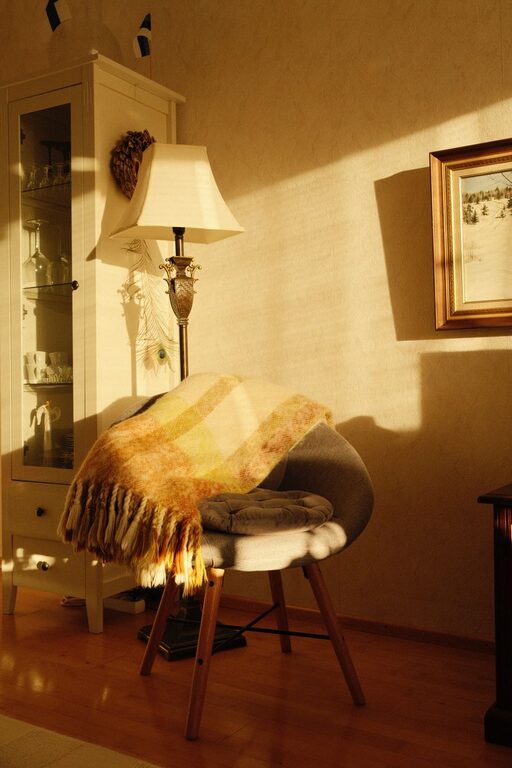
Natural light benefits both your mood and alertness. Try to set up your desk near a window to enjoy daylight and fresh air. If natural light is limited, use adjustable warm lighting that mimics daylight to avoid eye strain.
Keep Your Workspace Organized
Declutter Regularly
A cluttered desk can lead to a cluttered mind. Keep only essential items within reach, and store the rest neatly. Use drawers, shelves, or containers to keep supplies organized.
Use Functional Storage Solutions
Boxes, baskets, or filing systems can help organize documents and work materials. Label your storage so you can find things easily without creating a mess.
Choose Comfortable and Supportive Furniture
Invest in a Good Chair
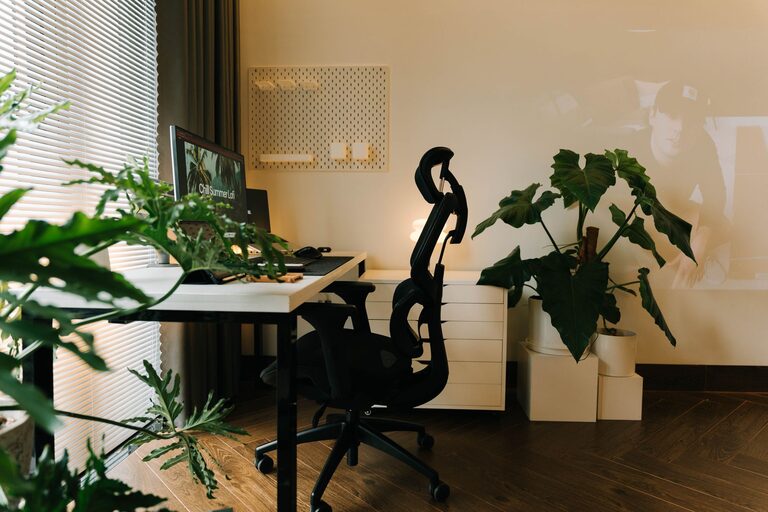
An ergonomic chair supports your posture and reduces discomfort during long work sessions. Look for adjustable height and lumbar support features.
Pick an Appropriate Desk
Choose a desk size that fits your available space without crowding. Consider a standing desk or an adjustable one if you want the flexibility to switch between sitting and standing throughout the day.
Personalize Your Workspace
Add Greenery
Houseplants not only brighten your space but also improve air quality and reduce stress. Easy-care plants like succulents or pothos are perfect for work areas.
Use Calming Colors
Soft, neutral colors such as light blues, greens, or beige can create a soothing atmosphere. Avoid overly bright or harsh colors that might cause visual fatigue.
Display Inspirational Items
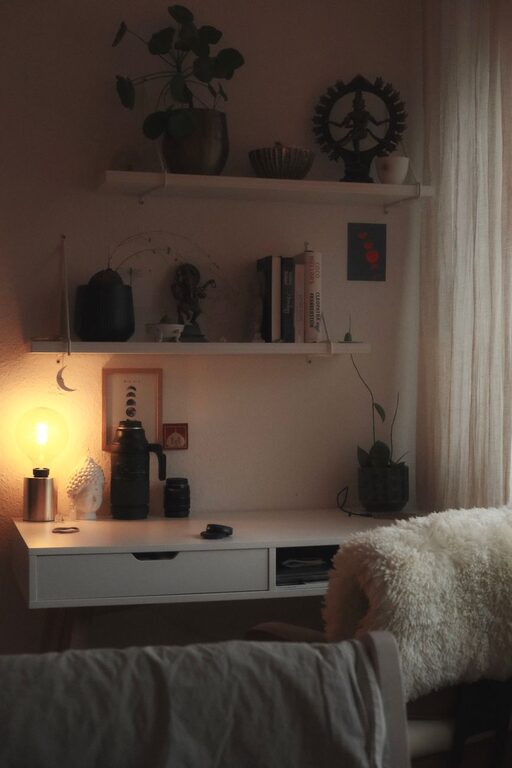
Include a few personal touches such as photos, artwork, or motivational quotes. These elements can make your workspace feel inviting and keep you motivated.
Manage Technology Wisely
Minimize Digital Clutter
Keep only necessary apps and tabs open on your computer to reduce distractions. Regularly organize your desktop and digital files to stay efficient.
Use Noise-Canceling Tools
If ambient noise is unavoidable, consider noise-canceling headphones or white noise machines to maintain focus.
Position Screens Properly
Set your monitor at eye level and about an arm’s length away. This helps prevent neck strain and eye fatigue.
Prioritize Breaks and Movement
Follow the 20-20-20 Rule
To reduce eye strain, every 20 minutes take a 20-second break to look at something 20 feet away.
Incorporate Stretching and Short Walks
Regular movement counteracts the effects of sitting for long periods and helps refresh your mind.
Maintain Air Quality and Temperature
Keep Fresh Air Flowing
Open windows when possible to allow fresh air to circulate. Good air quality improves concentration and well-being.
Control Temperature Comfortably
Adjust heating or cooling so your workspace is neither too hot nor too cold, creating a comfortable environment conducive to work.
Set Boundaries and Routines
Define Work Hours
Establish clear start and end times for your workday. This prevents burnout and helps separate work life from home life.
Communicate Boundaries with Household Members
Make sure family or roommates respect your workspace and work time to minimize interruptions.
Final Thoughts
Designing a relaxing home workspace takes some planning, but the rewards are well worth it. A calm, comfortable environment tailored to your needs can make your workdays more productive, enjoyable, and less stressful. Start with small changes and build your ideal workspace gradually.
Remember, your home workspace should be a place where both your mind and body feel supported. With the right setup and habits, you’ll find yourself working more efficiently and feeling better throughout the day.
About the Author