Creating a home workspace that promotes relaxation can significantly improve your productivity and overall well-being. When your workspace feels calm and inviting, it becomes easier to focus, reduce stress, and maintain motivation throughout the day. Whether you work remotely full-time or occasionally need a dedicated spot for tasks, these tips will help you craft a soothing environment tailored to your needs.
Why a Relaxing Workspace Matters
Your surroundings affect how well you work. A cluttered or uncomfortable area can make it harder to concentrate and increase feelings of anxiety. By intentionally creating a relaxing workspace, you set the stage for clear thinking and sustained energy. Comfort and tranquility are key ingredients for turning work sessions into productive moments.
Choose the Right Location
Start by selecting a dedicated spot in your home for work. Ideally, it should be a quiet area with minimal distractions. Near a window is often a great choice because natural light can boost mood and alertness.
– Avoid high-traffic areas where people frequently walk by.
– Consider a corner or small room that you can set apart as your workspace.
– Ensure the location has easy access to power outlets and internet connection.
Invest in Comfortable Furniture
Comfort directly influences how long you can stay focused. Choose furniture that supports your posture and encourages good ergonomics.
– Select an adjustable chair that provides lumbar support.
– Use a desk at the right height to keep your wrists straight while typing.
– If possible, consider a sit-stand desk option to vary your position during the day.
Declutter and Organize
A cluttered environment can overwhelm your mind. Keeping your workspace tidy fosters calmness and makes it easier to find what you need.
– Use storage solutions like shelves, drawers, or baskets to keep items organized.
– Only keep essential items on your desk to maintain a clean surface.
– Regularly declutter to avoid unnecessary buildup.
Incorporate Soothing Colors
Colors have an emotional impact. Soft, neutral tones and gentle blues or greens can create a calming atmosphere conducive to concentration.
– Paint your workspace walls in muted colors, or use removable wallpaper if you rent.
– Add accent items like rugs or cushions in soft shades.
– Avoid overly bright or neon colors that might be distracting.
Optimize Lighting
Proper lighting reduces eye strain and enhances focus. Natural light is best, but you can supplement with good artificial lighting.
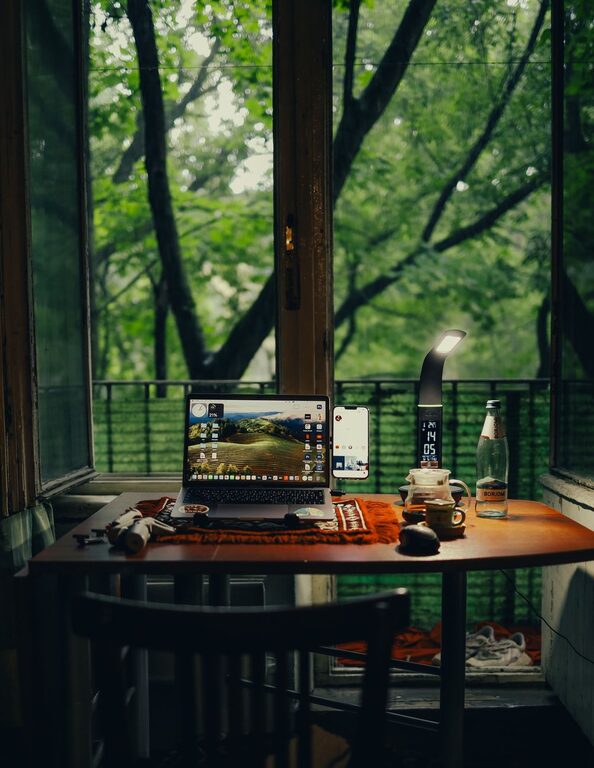
– Position your desk near a window to maximize daylight.
– Use a desk lamp with adjustable brightness to reduce glare.
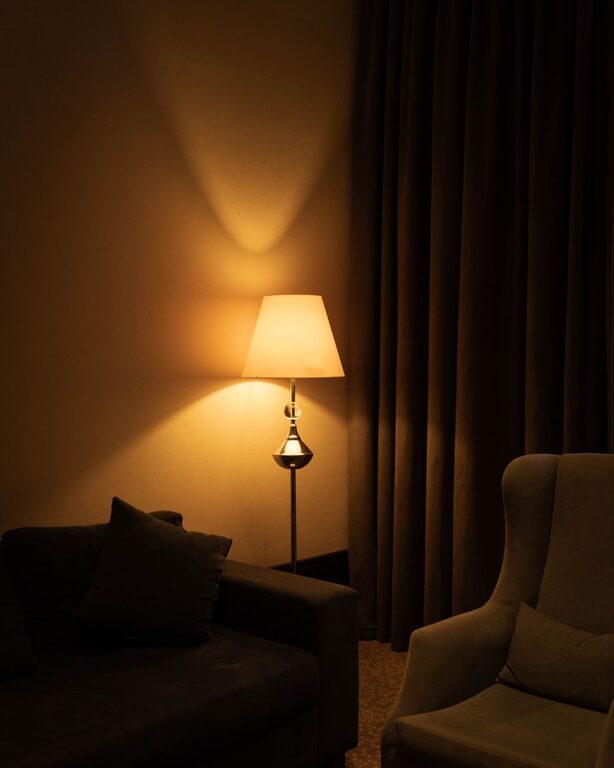
– Choose bulbs with warm tones to create a cozy ambiance.
Add Elements of Nature
Plants and natural elements can reduce stress and improve air quality.
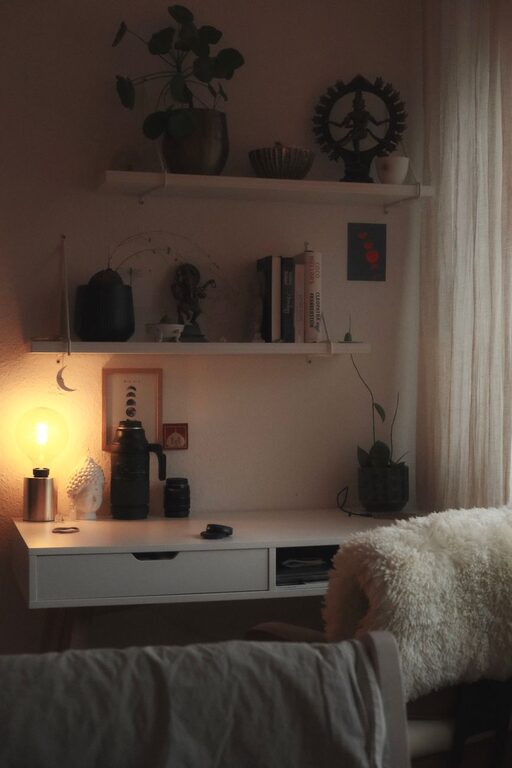
– Place a few small potted plants on your desk or nearby shelves.
– Incorporate natural materials such as wood or stone in your decor.
– A small water fountain or nature sounds app can also foster relaxation.
Personalize Your Space
Adding personal touches makes your workspace inviting and motivating.
– Display photos or artwork that inspire you.
– Use desk accessories that reflect your style.
– Keep a favorite mug or candle nearby for comfort.
Minimize Noise Distractions
Sound plays a major role in your ability to focus. Reduce noise where possible to maintain a peaceful environment.
– Use noise-canceling headphones or earbuds during work.
– Add rugs or curtains to absorb sound.
– A white noise machine or app can help mask background noise.
Set Boundaries and Rituals
Creating a routine helps condition your mind to enter “work mode” when you sit at your desk.
– Establish regular work hours and communicate them to others in your household.
– Start each day with a short ritual like organizing your desk or a few minutes of meditation.
– Take breaks and leave your workspace to refresh your mind.
Maintain Good Air Quality and Temperature
A comfortable environment includes fresh air and pleasant temperature.
– Open windows when possible to let in fresh air.
– Use a small fan or heater to adjust the temperature to your liking.
– Consider an air purifier if your home tends to be stuffy.
Conclusion
Designing a relaxing home workspace is a powerful way to boost your productivity and make working from home more enjoyable. By choosing the right location, investing in comfort, organizing effectively, and adding calming touches, you’ll create an environment that supports your focus and well-being. Remember, small changes can make a big difference in how you feel and perform throughout your workday. Take the time to customize your workspace—it’s an investment in your success.
About the Author