
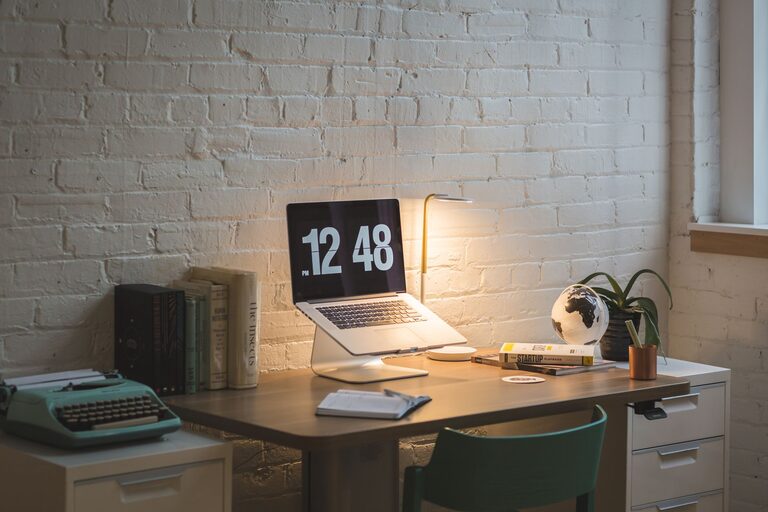
Creating a home office that is both comfortable and productive can make a significant difference in how effectively you work from home. Whether you are new to remote work or looking to improve your current setup, a well-designed workspace helps you stay focused, organized, and energized throughout the day. In this post, we’ll explore practical steps to design a home office that supports your work goals and personal comfort.
Choose the Right Location
Picking the best spot in your home for your office is the foundation of a good setup. Ideally, this should be a quiet area with minimal distractions. If possible, choose a room with natural light and enough space for your furniture and any equipment you need.
– Avoid high-traffic areas such as hallways or living rooms.
– Consider a spare bedroom or a corner in a less-used area.
– If space is limited, use room dividers or shelves to create a defined workspace.
Invest in Comfortable and Ergonomic Furniture
Since you’ll be spending many hours sitting and working, furniture comfort is critical for both physical health and productivity.
– Desk: Choose a desk with adequate surface area for your computer, documents, and other tools.
– Chair: Opt for an ergonomic chair that supports good posture. Adjustable height and lumbar support can reduce back strain.
– Standing options: If possible, include a sit-stand desk or converter to alternate between sitting and standing during the day.
Optimize Lighting for Comfort and Focus
Good lighting reduces eye strain and boosts mood, contributing to better focus.
– Position your desk near a window to maximize natural light.
– Use adjustable task lighting like desk lamps with warm white bulbs to illuminate work areas.
– Minimize glare on your screen by adjusting monitor placement or using blinds.
Organize Your Workspace Effectively
A clutter-free space promotes clearer thinking and less distraction.
– Use shelves, drawers, or filing cabinets to keep supplies and documents organized.
– Keep everyday items within easy reach to reduce unnecessary movement.
– Employ cable management tools to keep cords tidy and prevent tangling.
– Consider labeling storage bins for quick access and easy maintenance.
Personalize Your Space
Adding personal touches can make your office feel inviting and help reduce stress.
– Decorate with plants, artworks, or photos that inspire and calm you.
– Choose colors that are soothing or energizing depending on your preference (soft blues and greens promote calmness, for example).
– Include items that reflect your personality but don’t overwhelm the workspace.
Minimize Distractions
Limiting interruptions will help you maintain focus, especially in a home environment.
– Use noise-canceling headphones if noise is a challenge.
– Set clear boundaries with family or roommates about your working hours.
– Turn off non-essential notifications on your computer or phone during work blocks.
Ensure Proper Technology and Connectivity
Reliable technology is essential for uninterrupted work.
– Invest in a fast, stable internet connection.
– Use a quality headset or microphone for online meetings.
– Keep your devices charged and have backup options like external batteries or surge protectors.
Create a Routine and Dedicated Work Hours
Having structure supports productivity and helps separate work from personal life.
– Define specific start and end times for your workday.
– Take regular breaks to stretch, hydrate, and rest your eyes.
– Use calendars or task management apps to plan and track your work activities.
Incorporate Movement into Your Day
Physical activity supports mental clarity and overall health.
– Stretch or do light exercises at your desk or nearby.
– Take short walks around your home or outside during breaks.
– Consider standing meetings or walking calls when possible.
—
Designing your home office with these tips in mind can lead to a workspace that helps you perform at your best while keeping your well-being intact. Remember, a great home office is one that fits your unique needs and evolves with your work style. Take your time to experiment and adjust your space until it feels just right for you.