
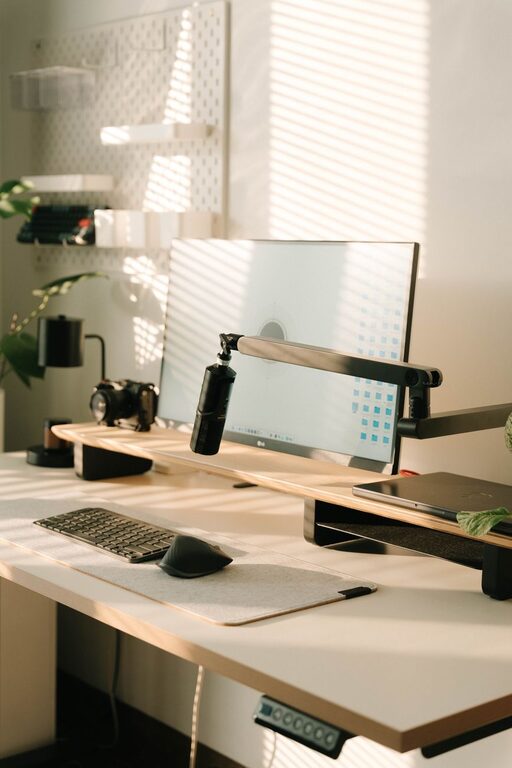
Creating a home workspace that balances comfort and functionality is essential, especially as many people spend more time working from home. A cozy and organized environment can enhance focus, reduce stress, and make your workday more enjoyable. Whether you have a dedicated room or a small corner, these tips will help you design a workspace that fits your needs and style.
Choose the Right Location
Finding the perfect spot for your home office is the first step. Here are some things to consider:
– Natural Light: Set up near a window if possible. Natural light improves mood and reduces eye strain.
– Quiet Area: Pick a space away from household noise or distractions.
– Ventilation: Good airflow keeps the room fresh and comfortable.
– Space Availability: Make sure there’s enough room for your desk, chair, and any storage you need.
If space is limited, a corner of your living room or bedroom can work well with the right setup.
Invest in a Comfortable Chair and Desk
Ergonomics matter when you spend hours sitting and working:
– Chair: Look for adjustable chairs with lumbar support. Comfort helps prevent back pain and fatigue.
– Desk: Choose a desk with enough surface area for your computer, notebooks, and other tools. Standing desks or adjustable desks offer flexibility.
Proper posture reduces discomfort and supports long-term health.
Organize with Smart Storage Solutions
Clutter can distract and stress you out. Keep your workspace tidy by incorporating:
– Shelves: Wall-mounted shelves save floor space and keep items within reach.
– Drawers and Bins: Use drawer organizers or bins to separate supplies and papers.
– Cable Management: Use clips or sleeves to organize cords and avoid tangling.
– Desk Organizers: Pen holders, file trays, and small containers help maintain order.
Regularly decluttering your workspace ensures it remains functional and inviting.
Personalize Your Space
Adding personal touches makes the workspace more welcoming:
– Decor: Simple artwork, plants, or a favorite photo can boost mood.
– Lighting: Use soft desk lamps or fairy lights to create warmth alongside natural light.
– Colors: Choose calming or inspiring colors for your walls or accessories. Blues and greens are known for their relaxing effects.
Personal elements create a space that feels uniquely yours without being distracting.
Focus on Lighting
Proper lighting reduces eye strain and keeps you alert:
– Task Lighting: A desk lamp with adjustable brightness helps illuminate your work area.
– Ambient Lighting: Overhead lights or floor lamps provide general illumination.
– Avoid Glare: Position your screen to avoid glare from windows or lights.
Balancing light levels throughout the day helps maintain productivity.
Use Technology Wisely
Equip your workspace with tools that enhance efficiency:
– Reliable Internet: A strong connection is key for video calls and online work.
– Good Quality Monitor: A larger or secondary monitor improves multitasking.
– Accessories: Noise-canceling headphones, wireless keyboards, or ergonomic mice can make a big difference.
Keep your technology organized and within easy reach.
Create Boundaries
Working from home can blur the lines between professional and personal life:
– Defined Hours: Set regular work hours to establish routine.
– Physical Boundaries: Use a room divider or screen if your workspace shares a larger room.
– Signage or Signals: Use signs or signals to let others in your home know when you are focused.
Clear boundaries help maintain work-life balance and reduce distractions.
Incorporate Comfort Elements
Comfort helps you stay focused for longer periods:
– Soft Textiles: Add cushions, rugs, or blankets for warmth and softness.
– Temperature Control: A fan, heater, or air purifier can keep your space comfortable year-round.
– Break Area: Have a small spot nearby to stretch or relax during breaks.
Small comforts contribute to a pleasant and motivating workspace.
Keep It Flexible
Your needs may change, so design a workspace that can adapt:
– Modular Furniture: Pieces that can be rearranged or upgraded easily.
– Portable Storage: Containers that can move with you if needed.
– Cable Solutions: Wireless devices or flexible wire management.
Flexibility allows your workspace to evolve with your work habits.
—
Final Thoughts
Creating a cozy and functional home workspace takes some planning but can greatly improve your workday experience. Focus on comfort, organization, and personalization to make a space where you enjoy spending time. Remember that even small changes can lead to big improvements in your productivity and well-being. Happy decorating!